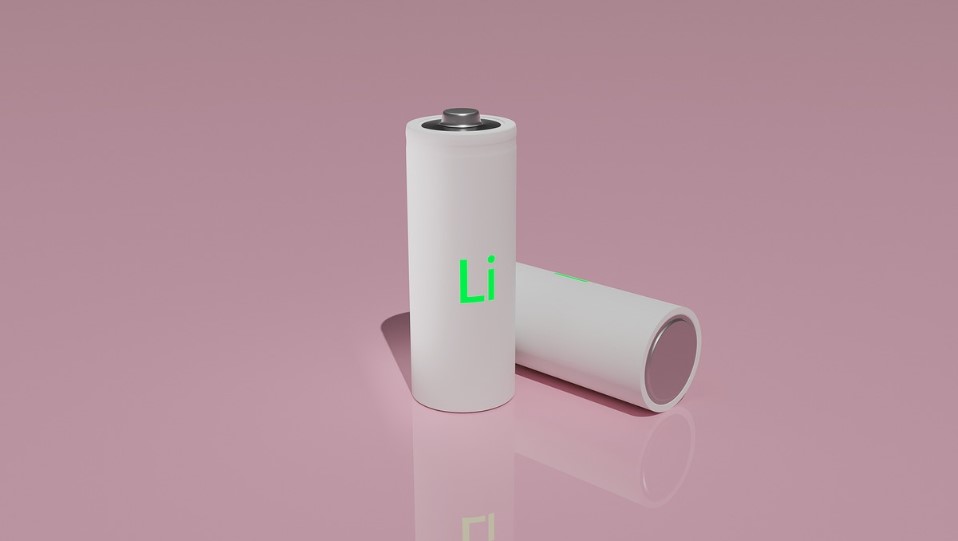
easy guide about the benefits and drawbacks of nuclear battery
Introduction
The extended power supply of nuclear battery, also known as radioisotope thermoelectric generators (RTGs), has generated interest in a variety of applications. Like a marathon runner in the energy race, they have an extended lifespan, but with that comes both benefits and drawbacks. To put it simply, these batteries have advantages and disadvantages just like any other technological marvel. Think of them as a two-edged sword: they are a dependable powerhouse, but they also come with a comparatively greater upfront cost and issues like radioactivity. Let’s now dissect the complexities, examine the benefits and drawbacks of nuclear batteries, and simplify the technical terms so that everyone can understand them.
Here are some pros and cons of nuclear battery that china have just revealed. USA and other countries are in research and development of nuclear batteries.
Benefits:
1. Durability:
Nuclear battery have a lengthy lifespan, spanning several decades, which is one of its many appealing qualities. Because they can run for longer periods of time without needing to be replaced, they are especially well-suited for use in distant or difficult-to-reach areas. Picture a long-lasting power source that enables equipment to function dependably in remote locations or in circumstances where regular maintenance is not feasible. Because of its longevity and dependability, nuclear batteries are positioned as a robust energy source that can overcome the difficulties associated with isolated locations or restricted access.
2. Stable Power Supply:
Nuclear battery are appealing because they can provide a consistent power source, which makes them different from conventional batteries that are prone to weather variations or irregular charging. Nuclear batteries, on the other hand, provide a steady and consistent power flow, guaranteeing dependability in emergency situations. In high-stakes applications like space missions or the operation of remote scientific instruments, this stability proves vital. Imagine a power supply that is independent of outside factors, a reliable energy partner that guarantees smooth operation even in the hostile and unpredictably changing conditions of space exploration or remote scientific research facilities. Because of their adaptability, nuclear batteries are seen as a reliable option where constancy is crucial.
3. Low Maintenance:
When it comes to post-deployment maintenance, nuclear battery are beautiful. After they start working, these batteries require very little maintenance. They are an affordable option in the long run because of their remarkable longevity and lack of complicated moving components, which also translate to lower maintenance expenses. Imagine a gadget that survives with little assistance, demonstrating durability without the need for regular maintenance. Nuclear batteries are positioned as a dependable and hassle-free energy source because to this feature, which also increases their economic competitiveness. Low maintenance nuclear batteries offer prolonged performance without the hassle of complicated repairs or ongoing monitoring, which is a significant advantage in a world where efficiency is often equated with simplicity.
4. Compact Size:
Nuclear battery are surprisingly small and powerful, providing a special benefit by fusing a high power output with a small package. They are very well suited for applications where space is at a premium because of this feature. Think about the implications in the field of medical devices, where accuracy and space efficiency are critical, or in space travel, where every ounce counts. Nuclear batteries’ small size makes them easier to integrate into tight places and increases their adaptability in a variety of applications. Envision a power source that surpasses its dimensions, providing powerful energy in a compressed format – a demonstration of the versatility and effectiveness that nuclear batteries offer in limited spaces.
Drawbacks:
1. Radioactive Material:
The primary concern regarding nuclear battery is their radioactive isotope content, which is problematic as improper handling could put people and the environment in danger. These isotopes release radiation, so handling them carefully is required to prevent unfavorable effects. Adherent disposal practices and stringent containment measures are necessary for effective risk neutralization. Imagine a fragile balance where creative application of nuclear energy is just as vital as responsible use. To ensure that the benefits of nuclear batteries are used without endangering public safety or the environment, robust protocols and rigorous adherence to safety regulations are crucial. Precise containment and disposal strategies are essential for the safe and sustainable use of nuclear batteries in this delicate dance with radioactivity.
2. High Initial Cost:

Nuclear battery have a high initial cost because of the complex technology and specialized materials needed to produce them. In contrast to traditional power sources, the use of complicated thermoelectric devices and radioactive isotopes increases manufacturing costs. But it’s important to understand that this initial outlay of funds pays off in the long run. Longer lifespans of nuclear batteries minimize the need for periodic replacements and eventually lower maintenance costs. In applications where longevity and a steady power source are more important than short-term financial considerations, nuclear batteries are a cost-effective option because of their dependability and minimal maintenance needs, which balance out the initial financial investment.
3. Limited Power Output:
The restricted power output of nuclear battery is a limitation, even though they offer a consistent and dependable power source. Nuclear batteries typically have a lesser output than traditional energy sources, which are capable of producing large amounts of electricity. Because of this limitation, they are less suited to supplying large-scale power grids’ high energy demands. High-demand applications, which are defined by large electricity requirements, require energy sources that can produce a sizable amount of power—a requirement that nuclear batteries, with their inherent limits, may find difficult to meet. As such, although beneficial in certain situations, their limited power output prevents its general implementation in situations requiring large-scale energy generation.
4. Ethical and Regulatory Concerns:
Radioactive materials are used in nuclear battery, which raises ethical and legal difficulties. Concerns about long-term health concerns, possible environmental effects, and the duty to protect populations from exposure are at the center of the ethical dimension. To control the manufacture, use, and disposal of these batteries, strict laws are necessary. Developing strong disposal techniques to avoid contaminating the environment, as well as guaranteeing safe management of the product during its entire existence, are all part of this. Acceptance of nuclear batteries in society and reduction of possible risks related to the use of radioactive isotopes depend on finding a compromise between maximizing the advantages of nuclear batteries and upholding moral and legal requirements.
Conclusion:
It is evident from analyzing nuclear battery that their unique benefits are tailored to meet particular requirements. The key is to use them sensibly and in compliance with strict guidelines. Safety, the impact on the environment, and ethical issues become critical. Achieving a fine balance between harnessing the advantages of nuclear batteries and skillfully handling related obstacles will be essential to their wider use as technology develops. In order to optimize potential benefits, like lifespan and dependability, while minimizing potential downsides, like worries about radioactive materials, careful and measured application is required. This harmony creates a method for nuclear batteries to be safely and sustainably incorporated into our technological environment.