


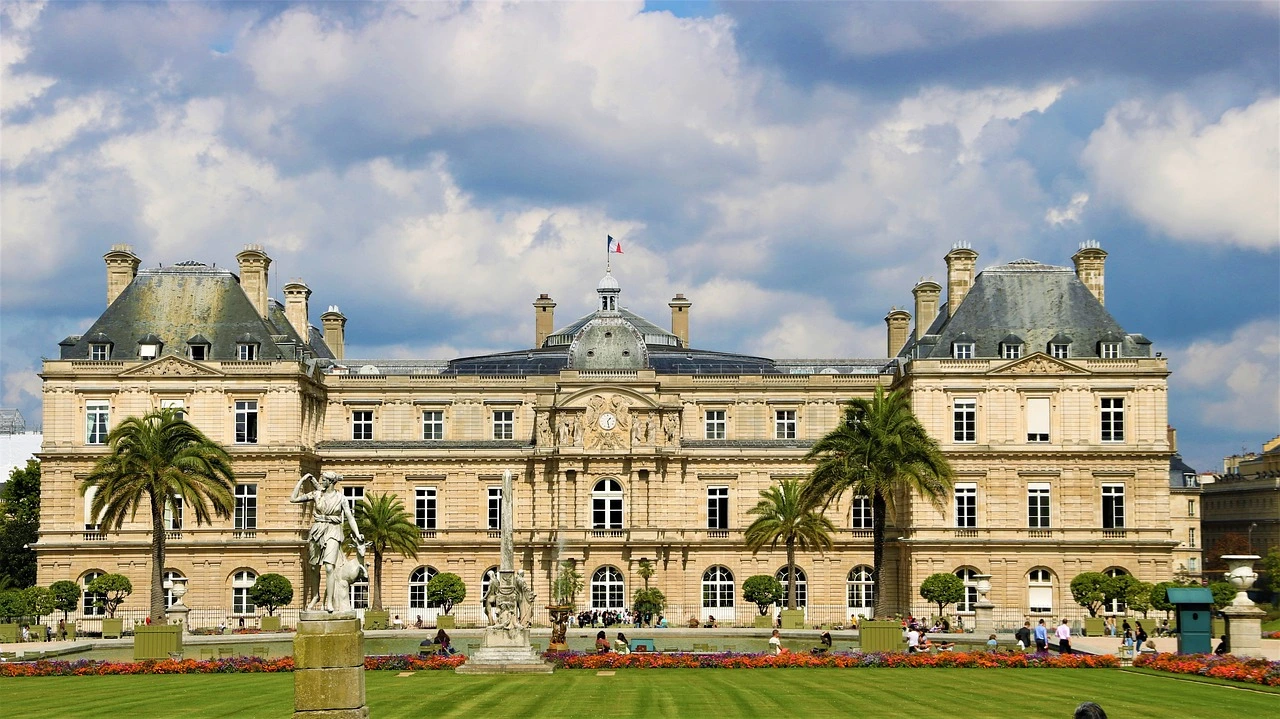
Navigating the Process How can I get a Luxembourg Work Visa from Nepal
Introduction
How can I get a Luxembourg work visa from Nepal? In today’s globalized world, a lot of people look for possibilities to work overseas in order to broaden their professional horizons and see new places. The process of getting a Luxembourg work visa can be both thrilling and intimidating for Nepali nationals who want to work in Luxembourg. With a strong economy and high standard of living, Luxembourg offers a wide choice of professional options across multiple industries. This comprehensive guide will show you how to get a Luxembourg work visa from Nepal.
Understand the Visa Categories:
Prior to beginning the application procedure, it is essential to comprehend the many kinds of work visas that Luxembourg offers. The most common categories include:
- Long-Stay Visa
- Blue Card
Let’s delve deeper into each of the visa categories:
1. Long-Stay Visa
The Long Stay Visa is intended for people who plan to stay and work in Luxembourg for more than ninety days. This visa serves various purposes, including employment, self-employment, or as an intra-corporate transferee.
Employment: Under the Type D Visa, individuals can obtain authorization to work for a Luxembourg-based employer.This could mean that people with different kinds of jobs, like those in technology, healthcare, and hospitality, as well as finance, could be eligible.
Self-Employment: Entrepreneurs and freelancers can also apply for the Type D Visa to establish their own businesses or provide services in Luxembourg. They must demonstrate the viability of their business venture and comply with relevant regulations.
Intra-Corporate Transferee: Employees of multinational companies may qualify for the Type D Visa as intra-corporate transferees. This category facilitates the transfer of employees to Luxembourg for specific projects, assignments, or managerial roles within the same company.
2. Blue Card:
The Blue Card is a specialized work permit aimed at attracting highly skilled professionals from non-EU countries to work and reside in Luxembourg. It offers a streamlined pathway for individuals with advanced qualifications and expertise.
Eligibility Criteria: To qualify for the Blue Card, applicants must meet stringent criteria, including holding a higher education degree equivalent to a Luxembourgish diploma. They also need to have an official offer of employment from a Luxembourg employer that pays more than the government-mandated minimum salary.
Minimum Salary Threshold: The minimum salary threshold for Blue Card applicants is regularly adjusted to reflect market conditions and ensure that foreign workers are adequately compensated. This threshold is typically higher than the average salary in Luxembourg, which prioritizes the recruitment of highly skilled professionals.
Benefits: The Blue Card offers several advantages, including facilitated access to the labor market, social security benefits, and the opportunity to bring family members to Luxembourg. Moreover, after residing and working in Luxembourg for a certain period, Blue Card holders may be eligible to apply for permanent residency or citizenship.
In summary, understanding the different visa categories available in Luxembourg, such as the Type D Visa and the Blue Card, is essential for individuals seeking employment opportunities in the country. Each category caters to specific needs and qualifications, providing diverse pathways for foreign workers to contribute to Luxembourg’s economy and society.

Requirements and Eligibility:
To qualify for a Luxembourg work visa from Nepal, applicants must fulfill certain criteria, including:
- Job Offer
- Work Contract
- Valid Passport
- Health Insurance
- Financial Means
Certainly, let’s delve deeper into each requirement and eligibility criterion for obtaining a Luxembourg work visa from Nepal:
1. Job Offer:
Getting a job offer from a business, is the first step in applying for a Luxembourg work visa. The job offer serves as evidence that the applicant has a legitimate reason to relocate to Luxembourg for employment purposes. Typically, the employer initiates the visa application process on behalf of the employee by providing the necessary documentation to the Luxembourg Immigration Directorate (Immigration Office).
2. Work Contract:
A signed employment contract is a vital document that outlines the terms and conditions of employment between the employer and the employee. This contract serves as proof of the professional relationship and specifies crucial details such as the job role, salary, working hours, duration of employment, and any other pertinent employment conditions. The contract should adhere to Luxembourg’s labor laws and regulations.
3. Valid Passport:
Applicants must possess a valid passport with a minimum validity of six months beyond the intended duration of their stay in Luxembourg. The passport serves as the primary identification document and is required throughout the visa application process. It is essential to ensure that the passport remains valid for the entirety of the intended stay in Luxembourg to avoid any complications or delays in the visa application process.
4. Health Insurance:
Adequate health insurance coverage for the duration of the stay in Luxembourg is mandatory for all visa applicants. Health insurance provides financial protection against medical expenses arising from illness, injury, or accidents during the stay in Luxembourg. Applicants must obtain health insurance coverage that meets the requirements set forth by the Luxembourg authorities. As part of the visa application process, proof of health insurance coverage is usually needed.
5. Financial Means:
Applicants may be required to demonstrate sufficient financial means to support themselves during their stay in Luxembourg. This requirement ensures that visa holders have the financial resources to cover living expenses such as accommodation, food, transportation, and other daily necessities without becoming a burden on the Luxembourg social welfare system. Proof of financial means may include bank statements, employment contracts, or sponsorship letters from individuals or organizations providing financial support.
By fulfilling these requirements and eligibility criteria, applicants can enhance their chances of obtaining a Luxembourg work visa from Nepal and embark on a fulfilling professional journey in Luxembourg.
Application Process:
Once the necessary documents are gathered, applicants can proceed with the visa application process, which is as below:
- Employer’s Role
- Visa Application
- Interview
- Biometric Data
- Processing Time
Here’s a more detailed explanation of the application process for obtaining a Luxembourg work visa from Nepal:
1. Employer’s Role: The employer’s involvement is essential in starting the visa application procedure. The employer is responsible for obtaining and submitting the required paperwork to the Luxembourg Immigration Directorate, also referred to as the Immigration Office, after making a job offer to the candidate. These documents often contain the employment contract, proof of the company’s registration and validity, and any further supporting documentation required by the immigration authorities.
2. Visa Application:
The applicant may proceed with their visa application once the employer has provided the Immigration Office with the required paperwork. By getting in touch with the closest Luxembourg embassy or consulate in Nepal, they can accomplish this. The applicant must make an appointment in order to submit their application for a visa and any necessary supporting documentation. These documents typically include a current passport, passport-size photos, confirmation that they are staying in Luxembourg, a travel schedule, and evidence that they have enough money to support themselves while there.
3. Interview:
The applicant may be required to appear in person for an interview at the embassy or consulate, depending on the type of visa and specific factors. Establishing if the applicant is eligible for a visa and confirming the information in the application are the two main objectives of the interview. Inquiries concerning the candidate’s work experience, credentials, and plans to visit Luxembourg may be made during the interview.
4. Biometric Data:
Applicants may be asked to submit biometric information, such as a digital photo and fingerprints, as part of the visa application process. Security and identity verification are two uses for this biometric data. For the purpose of collecting their biometric information, the applicant must physically visit the embassy or consulate. This is usually a simple and fast process.
5. Processing Time:
Depending on a number of variables, including the type of visa and the embassy or consulate volume of activity, the processing time for a Luxembourg work visa may differ. It is normally advisable to apply far in advance of the expected travel date to allow for adequate processing time. Applicants should make plans in accordance with the projected processing times that the embassy or consulate has supplied. It’s also advised to monitor the application’s progress and, if required, get in touch with the embassy or consulate again.
By following these steps and being thorough in their preparations, applicants can navigate the application process for obtaining a Luxembourg work visa from Nepal successfully. It’s essential to comply with all requirements and provide accurate information to ensure a smooth and efficient visa application process.
Conclusion
The necessary things to obtain a Luxembourg work visa from Nepal are careful planning, careful documentation, and close adherence to visa requirements. It is critical to comprehend the various visa categories, fulfill eligibility requirements, and carefully follow the application process. People can confidently seek employment chances in Luxembourg by following these measures. Despite its difficulties, the chance to work in the dynamic and lively country of Luxembourg offers prospective professionals from Nepal a rewarding experience and a path to both professional and personal progress in the booming European economy.